

Are you planning to walk the Kumano Kodo? Then one of the first questions you probably have is how much does Kumano Kodo pilgrimage cost. In this blog post, I’ll share my Kumano Kodo costs breakdown – how much does the trek cost by category – and share my money saving tips and opinion on what to save money on and what to splurge on.
This blog post is part 4 in my Kumano Kodo series designed to help you plan your own Kumano Kodo pilgrimage. If you missed the previous posts on itinerary & route planning, accommodations, and what gear to bring, you can access all of them in the Kumano Kodo hub page here.
My Total Costs Overview
My Total Cost: $447
Currency conversion used: 155 yen = $1 USD
Here’s the breakdown:
- Train fare (JR West Kansai Area Pass): 12,000 yen | $77
- Lodging (4 nights): $260
- Bus fare (local buses in Wakayama): 4,720 yen | $30
- Food: $60
- Miscellaneous (temple donations, souvenirs): $20
Total: $447 for 4 days
What’s Not Included
Flights
I didn’t include my roundtrip flight from the US to Japan because the Kumano Kodo was just one stop on a longer trip. For reference, roundtrip airfare between LAX and Japan typically runs $700–$1,000 on full-service airlines, or as low as $500–$600 on budget carriers.
Gear & Clothing
I also didn’t include any hiking gear or clothing — backpack, rain jacket, hiking shoes, etc. — because I already owned all of it. If you’re buying gear specifically for this trip, factor that into your budget. Need help figuring out what to bring? Check out my Kumano Kodo Gear Guide.
Transportation Costs
Trains
I started my trip in Osaka. Here’s what train travel cost:
- Osaka to Kii-Tanabe: 5,810 yen | $38
- Kii-Katsuura to Osaka: 7,460 yen | $47
- Short train ride between Katsuura and Shingu: 1,530 yen | $10
Total without a rail pass: 13,270 yen | $86
What I actually paid: 12,000 yen | $77 (JR West Kansai Wide Area Pass)
Should You Buy a Rail Pass?

The JR West Kansai Wide Area Pass saved me a bit of money, but not a ton. The pass is only valid for 5 consecutive days. If you’re spending most of the 5 days walking the Nakahechi, it’s probably not worth it. You’ll only break even or save a little bit of money. In this case, I recommend buying individual tickets to give yourself more flexibility in your travel schedule.
If you’re doing the Kumano Kodo as part of a larger Japan trip and plan to take multiple train rides in the Kansai region within 5 days, it’s worth it. You can find more information about the Kansai Wide Area Pass on the JR West website.
My tip
Buy your individual tickets or pick up your rail pass the day before your train departs. This gives you time to figure out which platform you need without the stress of rushing.
Buses
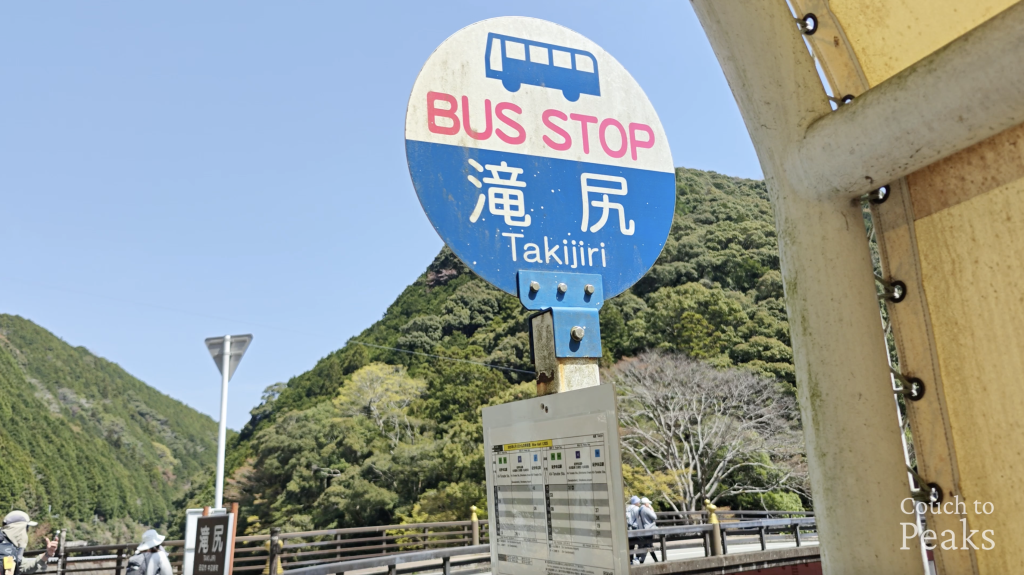
Depending on your itinerary and where you’re staying, you’ll probably need to take local buses to get to and from trailheads. Here are some sample fares:
- Tanabe Station to Takijiri-oji (start of Nakahechi route): 970 yen
- Hongu to Shingu Station: 1,560 yen
- Katsuura to Daimonzaka: 480 yen
- Nachisan to Shingu: 1,080 yen
- Shingu to Katsuura: 630 yen
My total bus fare: 4,720 yen | $30
Buses run on set schedules, so plan ahead. I used Google Maps to figure out bus schedule & fare.
Accommodations
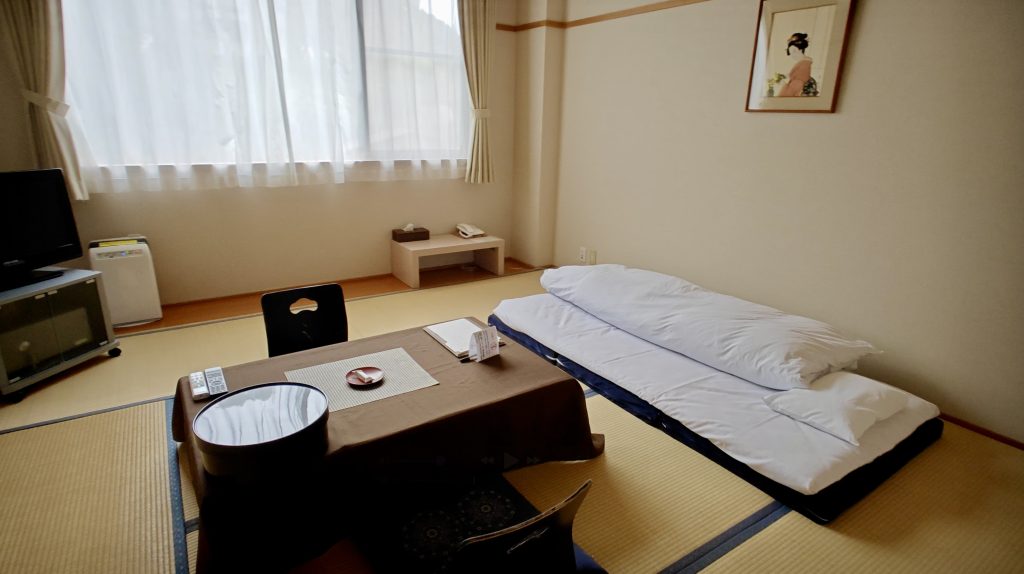
This is where your budget can vary wildly. You can stay in budget hostels for $25 a night or splurge on luxury ryokans with private onsens for $200+ per night.
Here’s where I stayed:
Night 1: Hotel Kii-Tanabe — $48/night Simple business hotel in Tanabe. Clean, no frills, convenient for catching the morning bus to Takijiri-oji.
Night 2: Hongu Watarase Onsen — $150/night This was my splurge. A traditional inn with multiple hot spring baths (both communal and private). Totally worth it. After a full day of hiking, soaking in those mineral-rich pools felt like heaven.
Night 3: Simple Inn in Katsuura — $34/night Basic room, shared bathroom. Perfectly fine for one night.
Night 4: Hostel in Katsuura — $28/night Dormitory-style bunk beds. Met some cool travelers here.
Total: $260 | None of my accommodations included meals
Accommodation Options by Budget
Budget: $25–$45/night Hostels with dormitory-style bunk beds. Some options:
- J Hoppers
- Guesthouse Yui
- Why Kumano
Simple Inns: $40–$60/night Basic private rooms, no meals included. Examples:
- Sansuikan Kawayu Matsuya
- Oyado Hana
Midrange Minshuku/Guesthouses: $120+/night More traditional Japanese inns. Some include meals.
- Minshuku Sumiya
- Koguchi Village
Ryokan with Onsen: $160+/night Traditional inns with hot springs and multi-course meals. This is where you splurge.
- Watarase Onsen Sasayuri (where I stayed)
- Sansuikan Kawayu Midoriya
- Kawayu Onsen Fujiya Ryokan
Western-Style Hotels: $40–$60/night More common in gateway towns like Tanabe, Katsuura, and Shingu.
- Hotel Kii-Tanabe
- Comfort Hotel Kii-Tanabe
My advice
Book early. The popular places (especially budget options in good locations) fill up fast, sometimes 6 months to a year in advance. Booking early can save you a lot of money.
Food

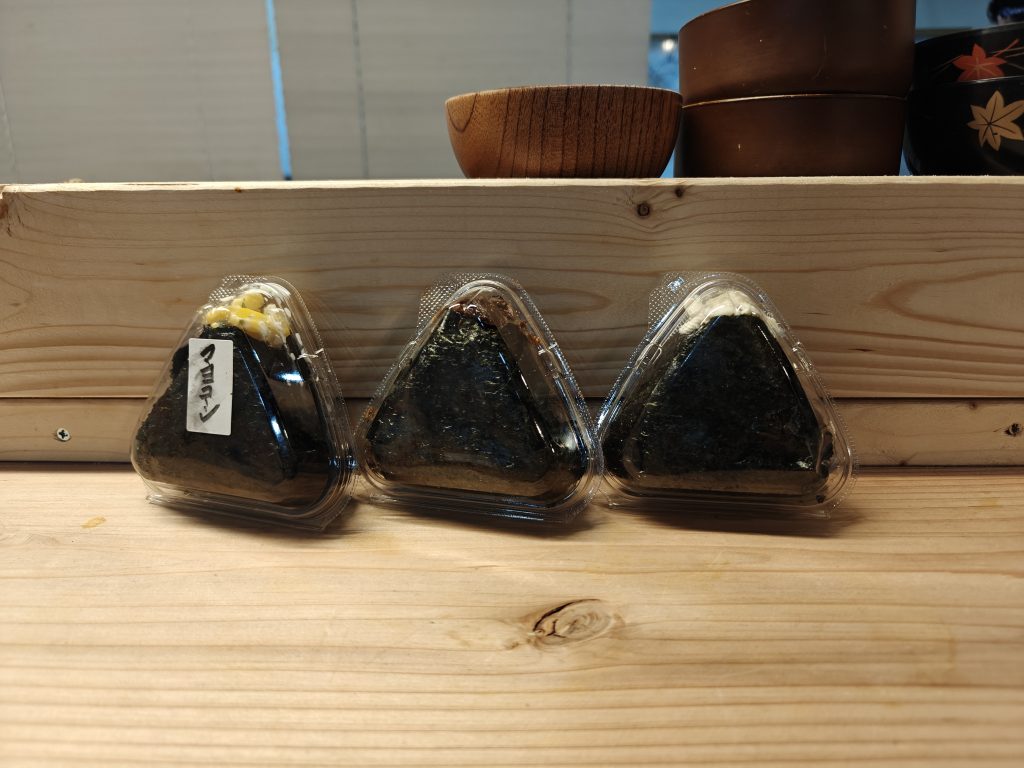
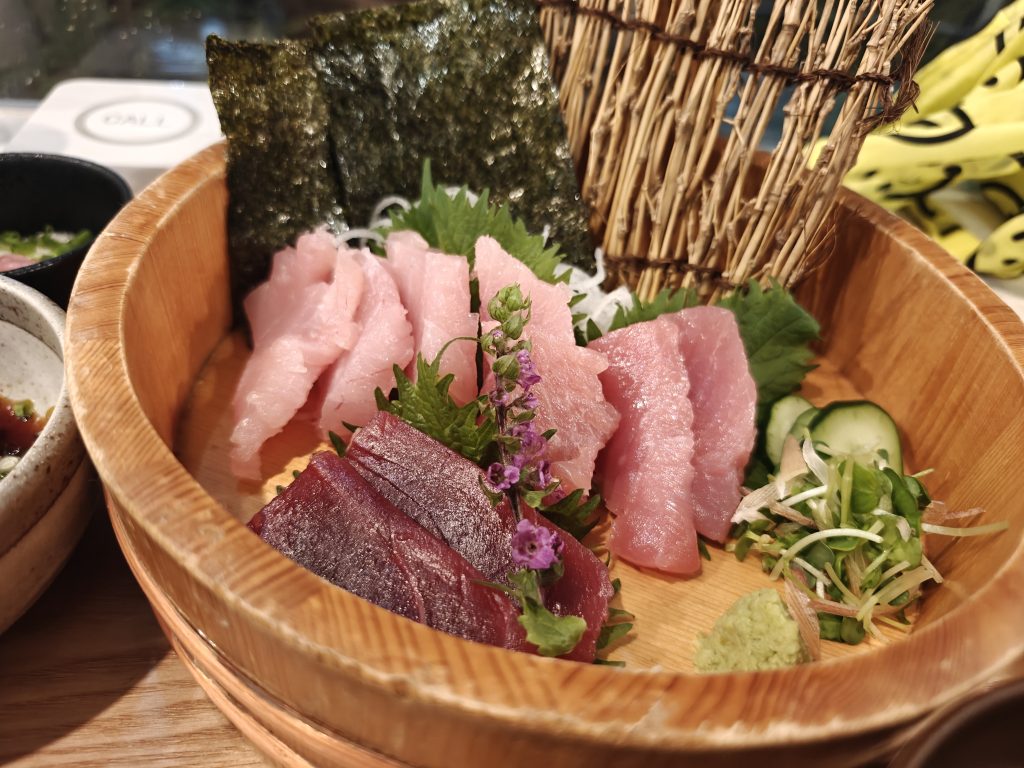
Since none of my accommodations included meals, I bought food from convenience stores, local restaurants, bakeries, and roadside stands.
Here’s a rough breakdown of what I spent:
- Onigiri (rice balls): 200–350 yen each (I bought 5) = 1,250 yen
- Frozen meals from convenience stores: 200–500 yen (bought 1) = 250 yen
- Tuna set meals in Katsuura: 2,000 yen each (bought 2) = 4,000 yen
- Ice cream: 450 yen
- Breads/pastries: 200–400 yen each (bought 5) = 1,000 yen
- Coffee: 200–300 yen (bought 5) = 1,000 yen
- Tempura udon: 900 yen
- Pudding: 400 yen
Total food cost: 9,250 yen | $60
That averages out to about $15 per day, which is pretty lean. If you want sit-down restaurant meals every day, budget more like $25–$40/day.
Where to Buy Food
Convenience stores and local re-supply shops are your best friend. You’ll find them in gateway towns like Tanabe, Hongu, Katsuura, and Shungu. Stock up before you hit the trail.
On-trail options are limited. Some sections have small teahouses or roadside stands selling snacks, but don’t count on it. Carry what you need.
Local restaurants in towns like Tanabe, Hongu, Katsuura and Shingu.
Some accommodations provide full meal service and will pack you a lunchbox for the trail. You’ll need to order them either at the time of your booking or make your own arrangement with the proprietor before your arrival.
My advice
If your accommodations provide meal service, go with this option. Not only will it simplify your trip planning, it will also give you a chance to experience local cuisine prepared in the traditional way.
Miscellaneous
- Temple donations/charms: 2,000 yen | $13 These are optional. You’re not required to pay anything to enter the temples or shrines, but if you want to buy charms, get your goshuin stamps or make a donation, budget a bit extra.
- Souvenirs: 1,000 yen | $7 I bought a few small things — nothing major.
Luggage forwarding service: I didn’t use this, but if you do, here’s what it costs:
- Short distance (Takijiri-oji to Takahara): 2,000 yen
- Long distance (Hongu to Shingu or Katsuura): 5,500 yen per bag
I carried everything in my backpack to keep logistics simple and save money. No regrets.
Total miscellaneous cost: $20

What Would I Do Differently?
Book accommodations earlier. I planned this trip last minute and ended up with limited options. If I’d booked 6 months ahead, I could have stayed at better-located inns along the trail instead of busing in and out every day.
Bring a better umbrella. I bought a cheap umbrella at 7-Eleven and it flipped inside out every time the wind picked up. Invest in a compact, sturdy travel umbrella or just stick with a rain jacket.ne may not be practical for every traveler.
Tips for Saving Money
1. Book accommodations early Popular budget options fill up fast. Booking early = better prices and better locations. In my Nakahechi Planning Guide, I go over itinerary options by day to help you plan your daily lodging locations.
2. Choose simple accommodations Hostels and simple inns keep your costs low. You’re spending most of your time on the trail anyway.
3. Skip luggage forwarding Carry everything in your backpack. It’s simpler, cheaper, and you don’t have to worry about your bag arriving on time. Want to know what to pack? Check out my Kumano Kodo Gear Guide.
4. Go during the off-season Peak seasons (spring and fall) mean higher prices for flights and accommodations. If you can hike in winter or early summer, you’ll save money.
5. Buy food at convenience stores Onigiri, bread, snacks and drinks from 7-Eleven or Lawsons are budget friendly and delicious.

DIY vs Self Guided Package Tours: Is It Worth it?
If planning your own Kumano Kodo trip sounds overwhelming, you might be wondering about self-guided tour packages. These packages book everything for you — accommodations, luggage transfers, maps, bus passes — so you just show up and walk.
Here’s how the costs compare:
Kumano Travel Official Package (6 days, 5 nights)
Price: 200,000 yen for solo traveler (~$1,290 USD)
What’s included:
- 5 nights accommodation (mix of hotels, minshuku, ryokan)
- 4 dinners, 4 breakfasts, 1 lunch
- Daily luggage shuttles (1 piece per person)
- Kumano Kodo Bus Pass
- Official Kumano Kodo Guide Book
- Pre-planned itinerary with maps
- Local support
What’s NOT included:
- Train tickets to/from the trail
- Personal expenses
- Travel insurance
Note: Solo travelers pay a premium because most Japanese accommodations charge per room, not per person. The package is 200,000 yen for one person vs. 150,000 yen per person if traveling with others.
The Math:
My DIY trip (4 days): $447 Package tour (6 days): $1,290
Per day:
- DIY: ~$112/day
- Package: ~$215/day
So you’re paying about $100/day more for the convenience of having everything pre-arranged and luggage transferred daily. Keep in mind the package also includes most meals (8 meals total), which adds significant value.
Is a Package Tour Worth It?
Yes, if:
- You’re traveling solo and don’t want to deal with accommodation booking headaches
- You’re short on time for planning
- You don’t want to stress about logistics
- You want someone else to handle accommodation bookings (especially important during peak season)
- You don’t mind carrying less (luggage transfer is included)
- You want the security of local support
- You value having most meals included
No, if:
- You enjoy planning trips yourself
- You’re comfortable with public transportation
- You’re on a tight budget
- You want flexibility to change plans
- You’re okay carrying your own backpack
My take: If I had to do it again, I’d still plan it myself. I enjoyed the flexibility and the challenge of figuring things out. But if I’d had only limited time in Japan and wanted to maximize my hiking time without stressing over details? The package would’ve been worth every yen.
Final Thoughts
The Kumano Kodo doesn’t have to be expensive, but it can be if you want it to be.
I spent $447 for 4 days, which felt like a bargain. I stayed in one really nice ryokan, ate well enough, and even soaked in 2 hot springs onsens along the way.
If you’re on a tighter budget, you can absolutely do it for $300–$350 by staying in hostels and eating convenience store food. If you want to go all-in on the traditional experience with ryokans and kaiseki meals, expect to spend $800+.
The most important thing? Book your accommodations early. That one decision will make or break your budget (and your logistics).
If you found this helpful, check out the rest of my Kumano Kodo series for itinerary planning, packing tips, and day-by-day trail stories. And if you’ve hiked the Kumano Kodo, drop your budget tips in the comments!
About this Guide
I walked the Kumano Kodo Nakahechi route independently, staying in local minshuku and ryokan and using public transportation services along the way. The guides and reflections linked here are written from my direct experience on the trail and are intended to help others plan with realistic expectations.
Trail conditions, weather, and accommodation availability change frequently. Always confirm current details with official Kumano Kodo resources before starting your walk.
Frequently Asked Questions
More on My Kumano Kodo Series
Whether you’re drawn by the history, the spirituality, or the sheer beauty of rural Japan, the Kumano Kodo Nakahechi Route offers a rare chance to slow down, reconnect, and walk with intention.
If you’re planning your own Kumano Kodo journey, make sure to check out all the posts in this series:


Leave a Reply