
Starting a hiking journey is exciting, but knowing exactly what to bring can be overwhelming for beginners. As a passionate hiker myself, I’ve curated this list of tried-and-true products that I rely on every time I hit the trail. From durable layers to versatile footwear, these items have been tested through various terrains, temperatures, and intensities.
Let’s get you ready for your next adventure!
Hiking Clothing Essentials for Layering
Base Layer
A moisture-wicking base layer is essential to keep you dry and comfortable, especially on long hikes. I recommend a synthetic top with odor controlling capabilities or merino wool top, as it’s designed to stay fresh even after intense use. Some of my go-to choices include:
- Patagonia Capilene Cool Daily Shirt: Comfortable, loose-fitting, and odor-resistant with UPF protection. | Long sleeves: (Link) | Short sleeves: (Link)
- Athleta Momentum Seamless Top: Non-restrictive with great ease of movement. | Long sleeves: (Link) | Short sleeves: (Link)
Mid Layer
For mild weather, a lightweight second base layer is perfect. I often choose a merino wool blend for a balance of warmth and breathability.
- Icebreaker Merino Wool Baselayer (Link)
- Patagonia Capilene Cool Merino Shirt (Link)
- Quince 100% Merino Wool Crew: Budget-friendly version. (Link)
In cooler weather, a lightweight fleece layer helps retain warmth without adding bulk. This makes it easier to regulate your temperature as you hike – you can add or remove layers as needed. Some favorites:
- Patagonia R1 Quarter Zip Pullover: Interior grid fleece wicks moisture, while the smooth exterior layers easily. It’s slim fitting so it doesn’t look bulky when paired with multiple layers. (Link)
- Outdoor Research Grid Fleece Quarter Zip: Similar grid fleece fabric from another brand. (Link)
- Mountain Hardwear Summit Grid Tunic: A more loosely fitted version (Link)
For extra wind and light drizzle protection, I always bring a windbreaker which I wear all the way from summer evenings to Southern California winters. It’s lightweight, versatile, and easy to layer.
- Patagonia Houdini Windbreaker: lightweight and packs into its own pocket. (Link)
Insulation Layer
For colder hikes, you can choose either synthetic insulation or natural down insulation. I prefer synthetic insulation over down for active pursuits, as it keeps me warm without overheating.
- Arc’teryx Proton Insulated Hoodie: An indispensable piece. I carry it almost everywhere. Another versatile piece that, when combined with a baselayer, I can hike comfortably in 30s-50s temperature without overheating. When stationery, throw on the R1 and you’re good down to lower 30s. I do run a little cold, so when it’s in the 30s and I’m stationery, I will need to add an additional hard shell rain jacket to stay warm. (Link)
- Patagonia Down Sweater: When I’m going to be mostly stationery, such as lounging at camp or just doing light walks and it’s in the 30s or below, this is a good choice. (Link)
Outer Layer
A waterproof outer layer is critical in case of rain or wind. I use a Gortex rainshell to block out wind and preserve warmth in cool weather.
- REI Co-op First Chair GTX Jacket: I have the older version of this jacket. It works well as part of my layering system, keeping me warm even on chilly hikes. (Link)
- Arc’teryx BETA LT Jacket: This one also comes highly recommended from what I’ve observed. (Link)
Hiking Bottoms
For beginner hikers, I highly recommend pants over tights for added durability and protection against elements. Some top picks:
- Athleta Trekkie Jogger: Lightweight, quick-drying, and durable enough to withstand rugged trails. I love these pants for hiking. They dry quickly should you get them wet during stream crossings. I have several pairs and have been wearing mine from the depths of Grand Canyon to 14K’ summits in the Sierra Nevada. On one occasion, I accidentally slipped on the trail. My knee got scraped up, but my Trekkie was in perfect condition. 😅(Link)
- Prana Halle Joggers: Comfortable and highly durable, though warmer, making them ideal for mild climates or casual walks. I find the fabric to be slightly too warm for Southern California weather so I wear them more for casual hikes and walks. If you hike in a cool climate, these might be perfect for you! (Link)
Socks
Wool socks are a must for comfort and blister prevention. I love Darn Tough Socks for their durability and lifetime warranty. They offer excellent cushioning and come in fun designs like this bear pattern! (Link)


Footwear for All Terrain
Your footwear can make or break a hike. Here’s what I’ve tested over various trails:
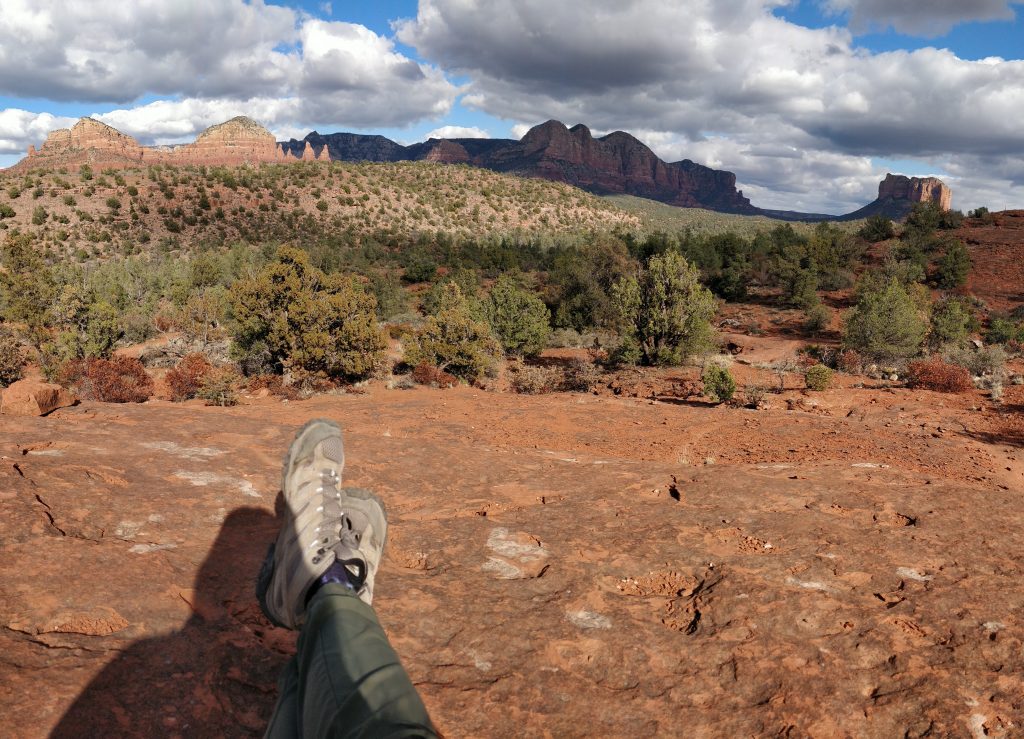
- Salomon X Ultra 360 Hiking Shoes: These trailrunners are lightweight with good support. I’ve gone through several pairs and keep going back to the same pair. (Link)
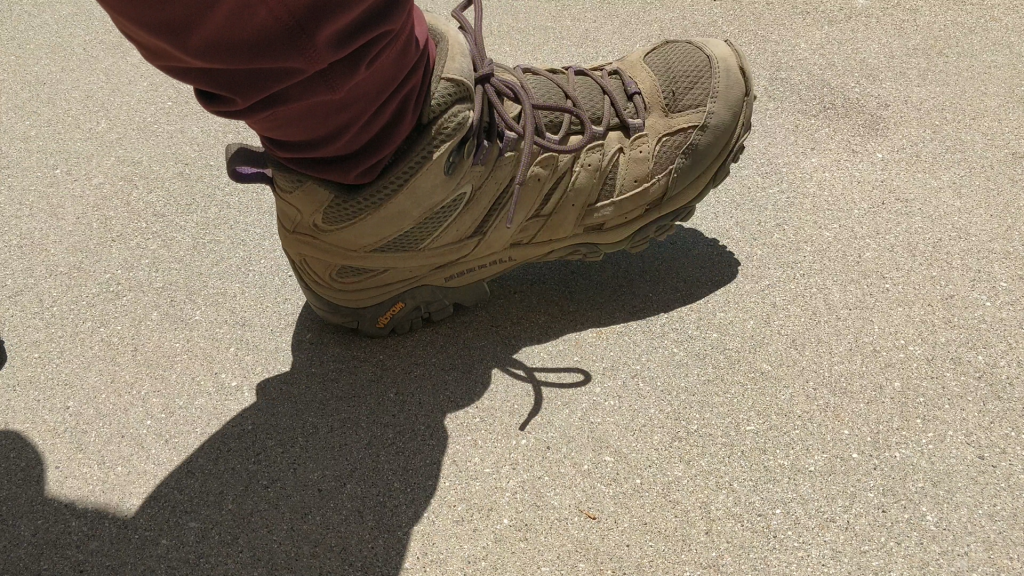
- Merrell Moab 3 Mid Hiking Boots: For more demanding hikes, I recommend these boots, especially if you need a wider fit. (Link)
- Teva Hurricane XLT2 Sandals: Perfect for stream crossings, these sandals are great on and off the trail. (Link)


Backpacks for Every Trip Length
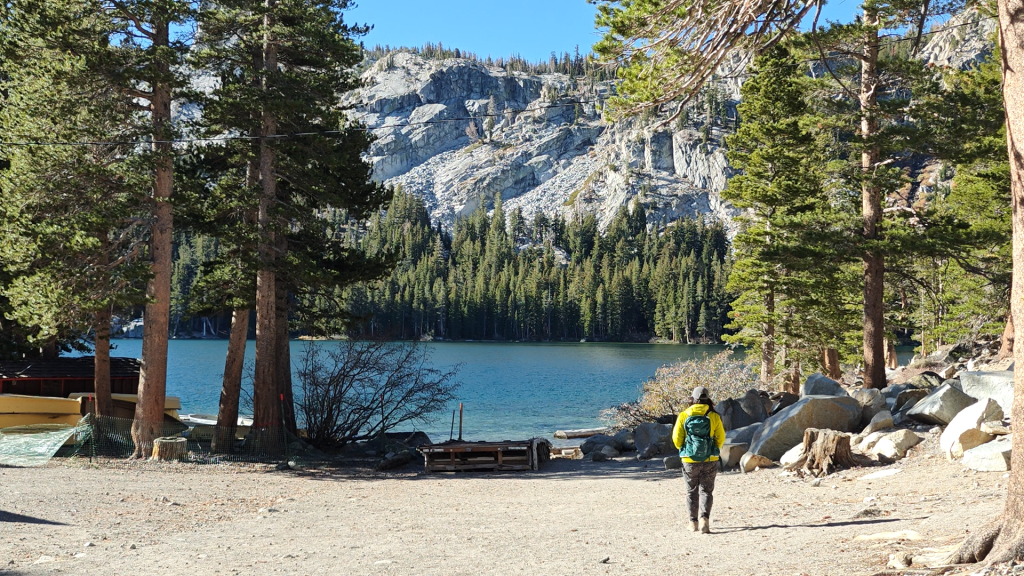
From quick day hikes to multi-day trips, a backpack with the right capacity and features can make all the difference.
- Lightweight for Short Hikes: REI Flash 18 Pack is compact and carries just the essentials. (Link)
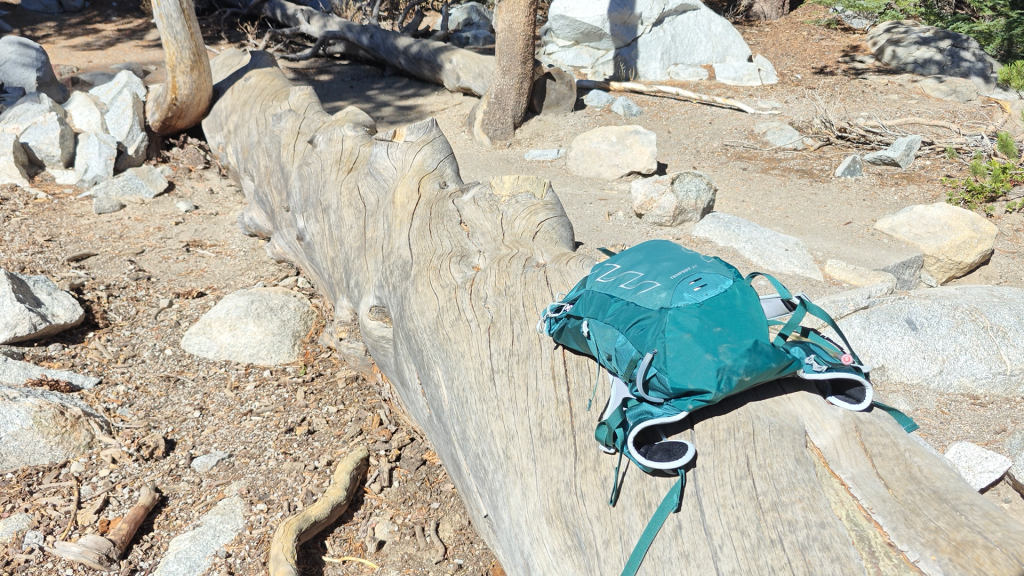
- Day Hike Pack: The Osprey Tempest 20 Pack is my all-time favorite, with its women-specific design, hip belt, and incredible weight distribution. I carried my old 20L version for many years and recently replaced with it with a slightly bigger 24L version. Even though I load it up with 2-3L of water, snacks, first aid and other knickknacks, once I place the backpack on my shoulders and adjust the hip belt, it feels like I have nothing on. (Link)
- Multi-Day Trips: REI Flash 55 Pack is comfortable, offering customizable fit with adjustable straps for added support without excess weight. (Link)




Hydration and Nutrition Essentials
Electrolytes
Staying hydrated on a hike is key, and adding electrolytes can help replace minerals lost through sweat.
- Nuun Sport Hydration Tablets: They’re easy to pack, dissolve quickly, and offer a great taste. Simply drop a tablet in your water bottle for an instant hydration boost! (Link)
Energy chews
Maintaining your energy on a hike, especially a challenging one, is crucial. Energy chews are my go-to for a quick burst of energy.
- Clif Bloks Energy Chews: Handy, tasty, and packed with carbohydrates for sustained energy. (Link)
Hydration Pouch
For longer hikes, I rely on the hydration reservoirs for hands-free hydration.
- Osprey Hydraulics LT Reservoir: This hydration pouch works perfectly with my Osprey Tempest 34L. Depending on the backpack you choose, there may be hydration pouches designed specifically for your backpack. (Link)
Water Bottle
I use a Nalgene Bottle to mix in my electrolyte tablets. Of course, any water bottle would do. I like Nalgene bottles because they’re practically indestructible. The wide mouth makes it easy to clean. When camping, you can fill it with hot water and toss it into your sleeping bag to keep you warm.
Water Filter
Water filters are essential on trails with natural water sources, so you can refill safely. These are not usually necessary for short hikes, but are nice to have for longer day hikes which have a water source. You can filter water on the go without having to carry all the water you need at the start of the hike.
There are different types of water filters, each with their own pros and cons. My two favorites are:
- Sawyer Squeeze: This is what I carry on overnight backpacking trips. It’s reliable, easy to use and last for a long time. (Link)
- Aquamira Water Treatment: For long day hikes and overnight backpacking trips, having a secondary water treatment option could be a lifesaver. If you lose your water filter on the trail or it stops working due to being clogged up, you can chemically treat the water instead. (Link)
Useful Hiking Accessories for Comfort & Safety
Trekking Poles
Having trekking poles can significantly reduce strain on your legs, especially on steep trails. I like the carbon fiber poles — they’re affordable, sturdy, and lightweight.
- Carbon Fiber Trekking Poles: I’ve bought several of these pairs throughout the years. I tend to lose them on the trail or left them at trailhead parking lot 😅, so I won’t spend my $$ on getting the fancy trekking poles. These affordable ones on Amazon work just as well. I’ve also seen Costco sell a similar version. (Link)
Navigation
- As for navigation, I use my phone for GPS with downloaded maps and always carry an extra battery bank to ensure I can take photos and stay on track.
- Paper map: I find it easier to look at large areas on a paper map than on a screen. Sometimes it’s better to plan your route using a paper map, especially for longer multi-day backpacking trips. I will also carry it as a backup in case my electronics stop working for some reason.
Sun Protection
- Sun Gloves: I didn’t use to wear them until I reached a certain age. 😄 Then I realized the importance of protecting my hands when I hike. (Link)
- Bandana: These can be a neck protector, headband, or even a washcloth. (Link)
Insect Protection
Mosquito season can be a challenge. My strategy is to cover up as much as possible.
- Sea to Summit Headnet: An absolute necessity during mosquito season. This will help you stay sane (and protect you from accidentally swallowing bugs) during those early season spring and summer hikes. (Link)
- After Bite Insect Bite Treatment: Speaking of mosquito season, you’ll also want to have this in your first aid kit for quick relief. (Link)
- Permethrin Spray: You can pre-treat your hiking clothes and gear with Permethrin – it’s effective against both mosquitoes and ticks. (Link)
- Deet Spray: I try to avoid using Deet if possible, but sometimes nothing else works against aggressive mosquitoes and this is the stuff you want. (Link)
Emergency Preparedness
First Aid
Safety is a priority on any hike. You never know when you might need it, or you might help someone who got injured on the trail. In addition to the items included in the first aid kit, be sure to also carry extra meds that you may need personally. I always keep an extra pair of contact lens in mine.
- Ultralight/Watertight .5 Medical Kit: Everything you need in a compact package. (Link)
- Oak-N-Ivy Cleanser: If you hike in areas with poison oak or ivy, you’ll want to carry this. (Link)
Headlamp
Even for day hikes, a headlamp is essential in case the hike runs late or takes unexpected turns.
- Black Diamond Astro 300: This headlamp is compact and reliable. (Link)
Whistle
- Tri-Power Whistle: Many backpacks have a built-in whistle in the sternum strap, but if you don’t have it, carry one separately. (Link)
Emergency Bivvy
Being prepared for unexpected situations is essential, especially in remote areas. An emergency bivvy is compact, lightweight, and can be a lifesaver if you get caught in an emergency overnight. It reflects body heat back to you, protecting you from cold and wind. I always carry one on longer hikes, particularly when venturing into higher altitudes or unpredictable weather.
- SOL Escape Lite Bivvy: Lightweight and highly effective in emergencies, providing critical warmth and protection. (Link)
Getting into hiking is all about exploring nature comfortably and safely. These essentials offer a balance of functionality, comfort, and durability to get you ready for your next adventure. While this may seem like a long list, you don’t need to buy everything at once. Consider gradually investing in quality pieces that make your hikes more enjoyable and keep you prepared for whatever the trail throws at you.
Happy hiking, and see you on the trails!

Hiking Checklist
Packing for your next hike? Download this handy Couch to Peaks Day Hiking Checklist to make sure you don’t miss anything!
This Hiking Checklist is part of my freebie resources available to my newsletter subscribers. Simply click the button below to subscribe and download the printable hiking checklist.